
Have you ever wondered if your child’s after-school activities actually help them in the classroom?
Many parents enroll their children in sports to keep them active and engaged. But beyond physical fitness, families often ask a deeper question: does gymnastics help in school? Can time spent flipping, balancing, climbing, and practicing skills really translate into better focus, stronger study habits, and improved classroom performance?
The answer may surprise you.
While gymnastics is often viewed as a physical activity, it develops much more than strength and flexibility. The habits built in structured movement classes directly impact focus, listening skills, memory, discipline, and confidence. At Elevate Sports Center, our programs are designed to strengthen the mental, emotional, and physical skills children use every day in school.
Let’s explore how recreational gymnastics, preschool gymnastics, NinjaZone, and aerial silks all support academic success in different ways.
Physical activity plays a powerful role in how children learn. Movement increases blood flow to the brain, delivering oxygen and nutrients that support cognitive function. When kids are active, they are not just strengthening muscles. They are strengthening neural pathways.
Research consistently shows that physical activity improves attention span and working memory. Children who move regularly are often better able to concentrate during lessons and complete tasks without becoming distracted. Even short movement breaks during the school day can improve retention and classroom behavior.
Many gymnastics skills involve cross-lateral movement, meaning the body crosses from one side to the other. These patterns support communication between the two hemispheres of the brain, which is essential for reading, writing, and problem-solving.
When you think about sports and academic performance, it becomes clear that movement supports more than physical development. It builds the foundation for better listening, stronger task completion, and improved focus in school.
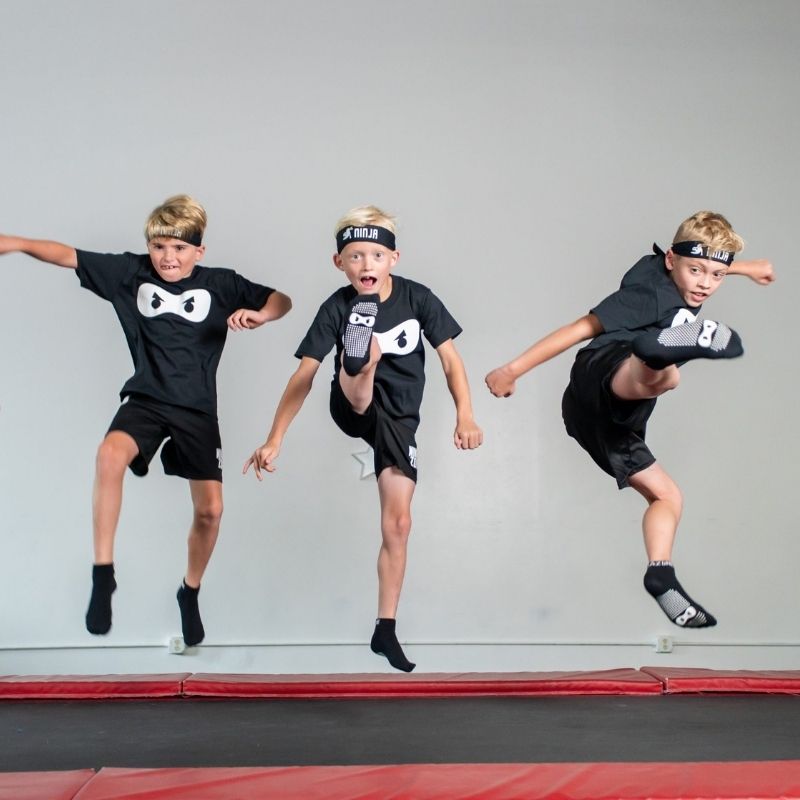
Recreational gymnastics is built around structure, discipline, and progression. In class, students follow multi-step instructions, rotate through stations, and practice skills repeatedly.
This structure directly mirrors classroom expectations.
Students learn to wait their turn, manage their energy, and listen carefully to coaches. They work through challenging skills that may not come easily at first. Over time, they learn persistence. They discover that progress comes from effort, not instant success. These lessons transfer naturally into school. A child who practices staying focused on a beam routine is better prepared to stay focused during a math lesson. A gymnast who works through frustration on bars is more likely to push through a difficult homework assignment.
The progression system in gymnastics also reinforces delayed gratification. Kids understand that improvement takes time. That mindset is powerful in academic settings where long-term growth matters more than quick wins. The benefits of gymnastics for students go far beyond the gym wall.
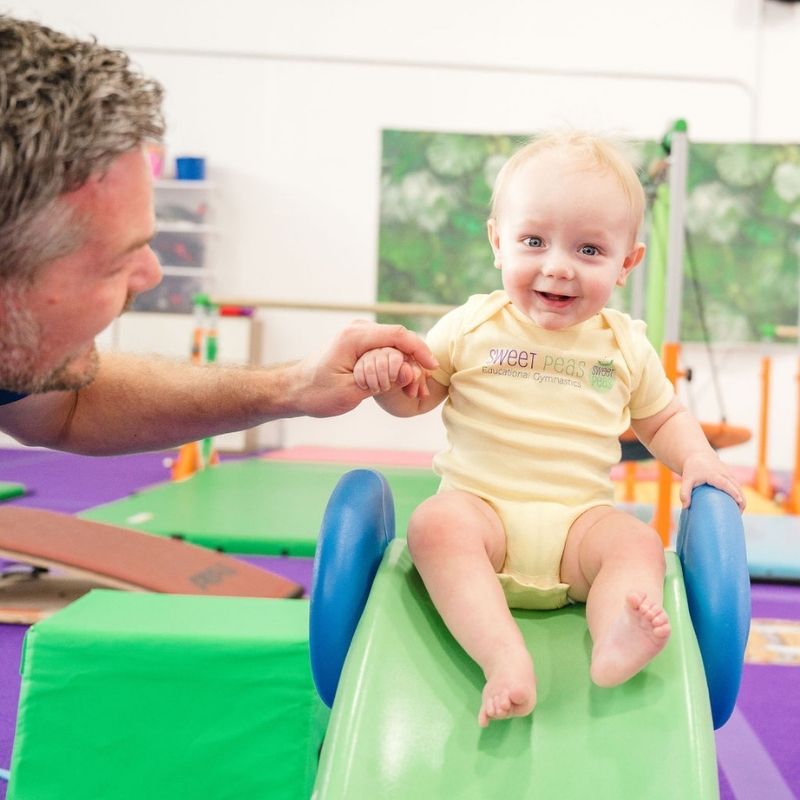
For younger children, preschool gymnastics lays important groundwork for school readiness. In class, preschoolers practice following directions in a group setting. They learn to transition between activities smoothly. They listen during demonstrations and respond to verbal cues. These are the same skills required during circle time and early classroom routines.
Preschool gymnastics also supports body awareness. Developing posture, balance, and core strength helps children sit comfortably at desks and maintain attention for longer periods. Perhaps most importantly, preschool gymnastics builds confidence in structured environments. Young children practice separating from parents, engaging with peers, and participating independently. These early experiences make the transition into school smoother and less overwhelming.
The preschool gymnastics benefits extend well beyond physical milestones. They help prepare children emotionally and socially for academic life.
Some children have abundant energy and struggle with sitting still. For these kids, structured movement can be especially beneficial. NinjaZone blends obstacle training with agility and coordination challenges. Kids move quickly, think on their feet, and navigate sequences that require attention and decision-making.
Obstacle navigation becomes a form of problem-solving. Children must plan their next move, adjust when something feels tricky, and maintain control even when excitement levels are high. NinjaZone also teaches self-regulation. Kids learn to manage impulses, listen while energized, and follow instructions even in fast-paced settings. In school, this translates to raising a hand instead of blurting out, staying engaged during active group work, and channeling energy in productive ways. For high-energy learners, movement-based programs like NinjaZone provide an outlet that supports physical activity and focus in school.
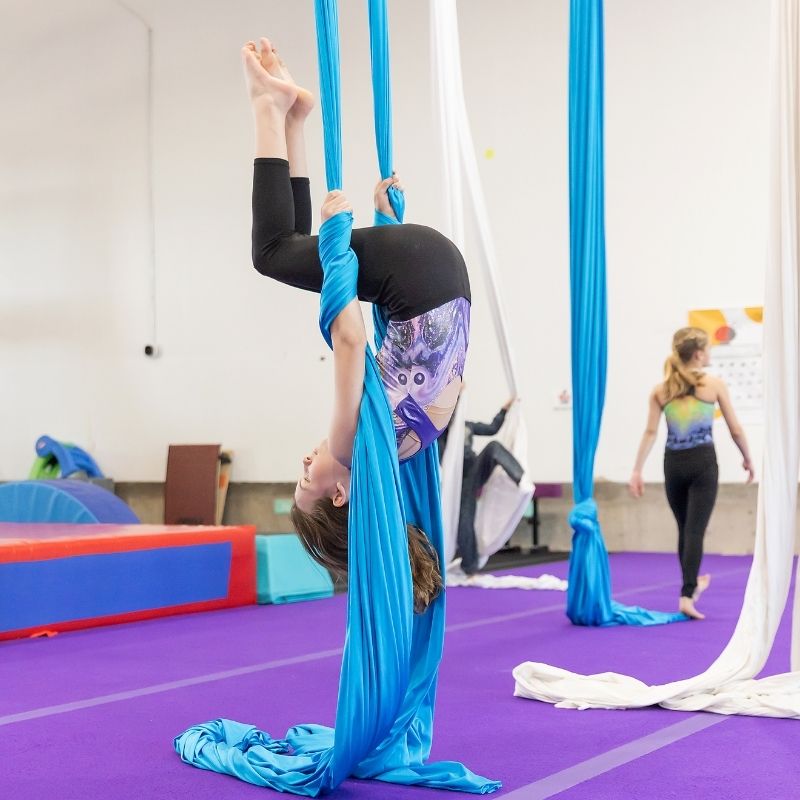
Aerial silks offers a different kind of challenge. Movements are slower and more controlled. Skills require focus, grip strength, and attention to detail. Students learn to follow step-by-step instructions carefully. Rushing through a sequence is not an option. Each wrap and climb must be executed precisely.
This environment builds patience. It teaches kids to slow down, concentrate, and trust the process. These habits are incredibly valuable in academic settings where careful reading, thoughtful problem-solving, and steady effort matter. Aerial silks classes also begin with a safety orientation, reinforcing responsibility and attentive listening. Students understand that preparation and awareness are essential before attempting new skills. The discipline developed in silks mirrors the careful concentration needed for studying, test-taking, and completing detailed assignments.
Executive function refers to a group of mental skills that help children plan, organize, regulate emotions, and initiate tasks. Gymnastics naturally trains these abilities.
Students remember sequences. They anticipate what skill comes next. They adjust when something does not go as planned. They manage frustration and try again. These same executive function skills are essential in school. Children must plan homework, organize materials, follow directions, and begin tasks independently.
When kids practice remembering routines and staying composed during challenges in class, they strengthen the same systems that support studying and academic success. This is one of the most overlooked connections between gymnastics and concentration in the classroom.
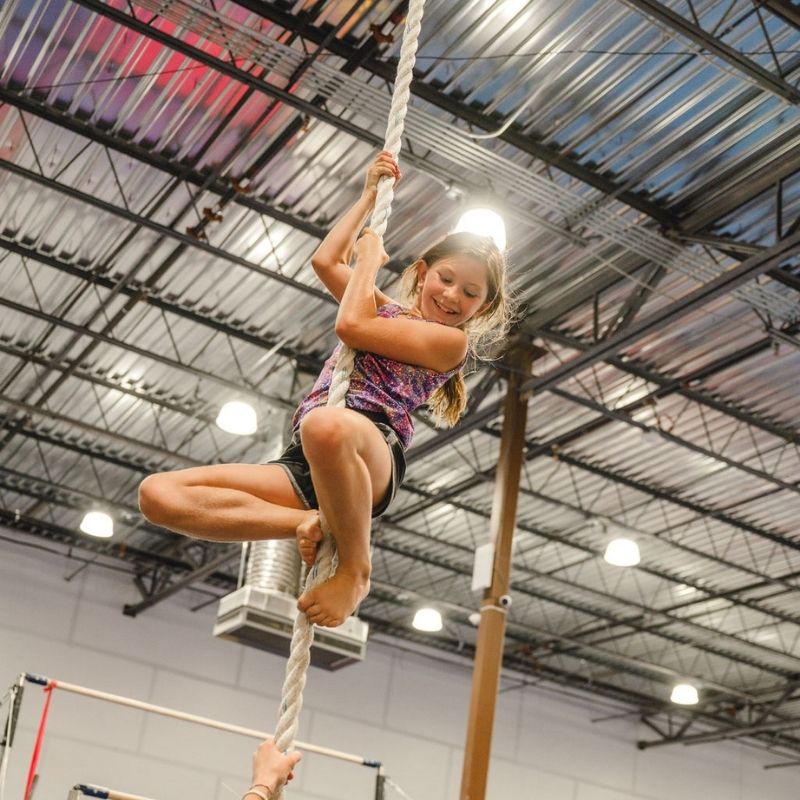
Confidence built through movement often carries directly into school life. When children master a new skill in gymnastics, they build belief in their ability to improve. That confidence helps them participate in class discussions, try new subjects, and recover after setbacks.
A child who learns to stand tall on the beam may feel more comfortable speaking up in front of classmates. A student who overcomes a challenging skill may approach academic challenges with the same determination. Confidence in the body often becomes confidence in the mind.
It is important to answer this honestly. Gymnastics alone does not guarantee higher grades.
However, the habits built through structured movement can strongly support academic performance. Focus improves. Discipline strengthens. Stress decreases. Sleep often improves with regular physical activity. When children are more regulated, confident, and attentive, they are better positioned to succeed in school. After school activities that improve grades are not necessarily academic tutoring programs. Sometimes, they are structured physical programs that build the underlying skills learning depends on.
So, does gymnastics help in school?
While it may not directly raise test scores overnight, it builds the mental and emotional skills that support long-term academic success. Recreational gymnastics builds discipline and persistence. Preschool gymnastics supports early school readiness. NinjaZone channels energy and strengthens focus. Aerial silks develops patience and precision.
At Elevate, our programs are designed to help children grow not just as athletes, but as students and individuals. If you are looking for an after-school activity that supports both physical growth and academic development, we invite you to explore our classes and schedule a free trial.
Because when kids move with purpose, they learn with confidence.
We offer one free trial class to all students who are interested in our programs. From NinjaZone to Tumbling, give one of our classes are shot. After all…. it’s FREE!