
Has your child ever come home from class saying, “I can’t do it,” “Everyone else is getting it except me,” or “I don’t think I’m getting any better?”
Hearing those words can be difficult for any parent. It’s natural to wonder whether something is wrong or if your child is falling behind. The good news is that almost every athlete, regardless of age or experience, goes through periods where progress seems to slow down.
Whether your child participates in recreational gymnastics, preschool gymnastics, NinjaZone, aerial silks, or another movement-based program, feeling stuck is a normal part of learning. In fact, these moments are often an important part of long-term development.
Understanding why plateaus happen and how to respond can help children continue growing with confidence instead of frustration. In this article, we’ll explore why progress sometimes slows down, what coaches are looking for during these periods, and how parents can provide the support that helps children keep moving forward.
A skill plateau is a period when progress feels slower than usual. Your child may spend many classes working on the same skill without seeing the results they were hoping for. Parents may notice this too and begin wondering why improvement seems to have stopped.
Although it can feel discouraging, a plateau does not mean learning has stopped. Progress isn’t always immediately visible. Many weeks are spent refining technique, building strength, improving consistency, and developing body awareness before a new skill finally comes together.
Learning rarely follows a straight path. Some weeks bring exciting breakthroughs, while others are focused on building the foundation for future success. Those quieter periods are just as valuable because they prepare children for the next stage of learning.
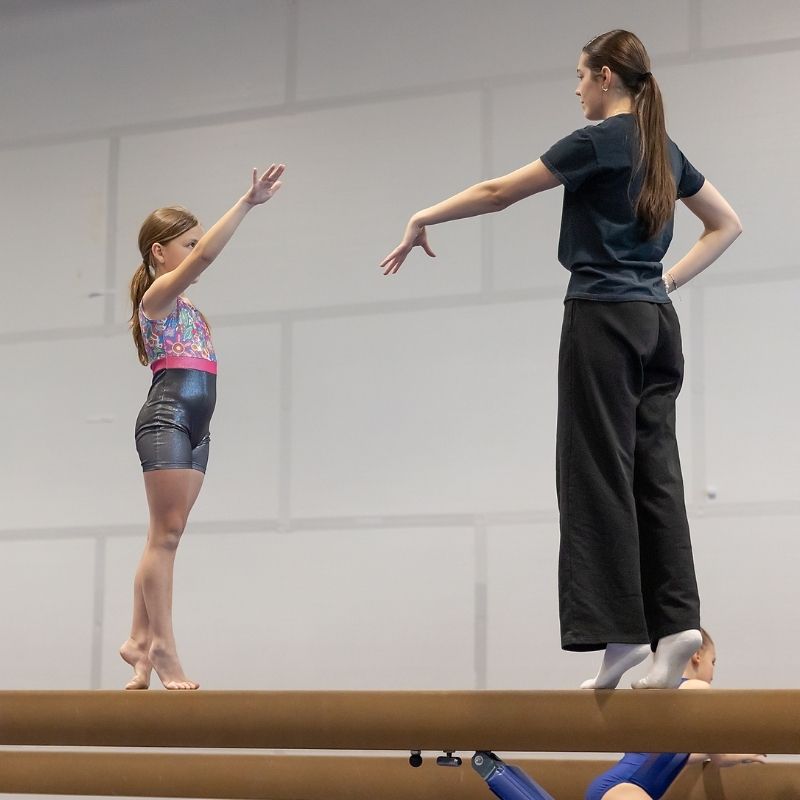
One of the most reassuring things parents can know is that skill plateaus are completely normal. They happen to beginners, experienced athletes, and even elite performers. Learning any new skill takes time, and progress naturally speeds up and slows down throughout that journey.
One common reason is physical growth. As children grow, changes in height, strength, and coordination can temporarily affect how their bodies move. A skill that once felt comfortable may require small adjustments as they continue developing.
Skills also become more complex over time. As children advance, new movements often require combining strength, timing, flexibility, coordination, and technique all at once. Naturally, these skills take longer to learn than beginner movements.
Sometimes progress is happening in ways that aren’t immediately visible. Children may be building strength, improving technique, developing better body awareness, or becoming more consistent before the final skill appears. They may also be gaining confidence, especially if they’re working through a movement that feels unfamiliar or intimidating.
These behind-the-scenes improvements are often what make future breakthroughs possible.
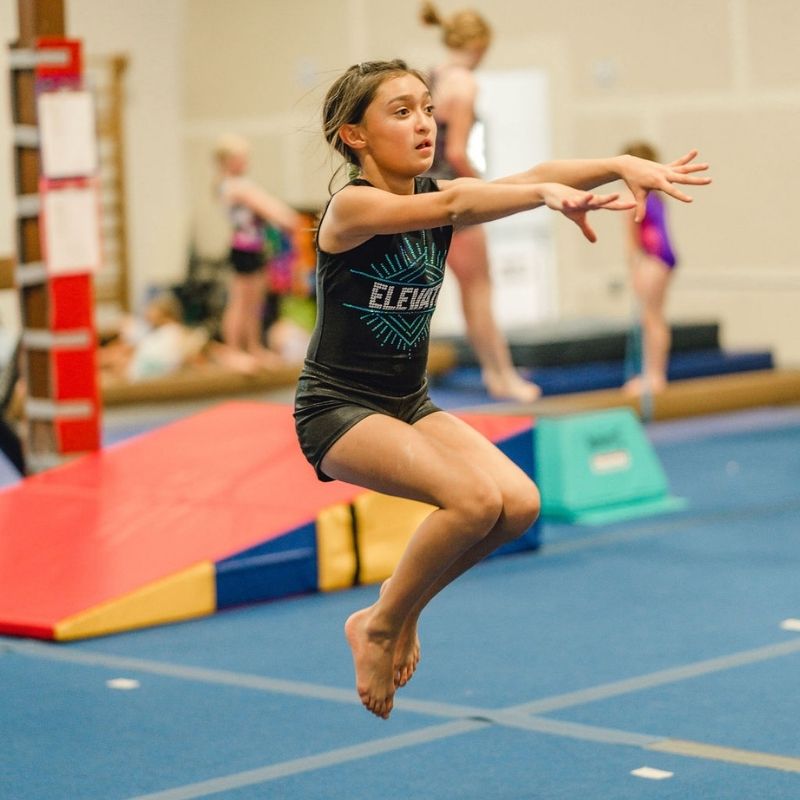
Although plateaus can feel frustrating, they often signal that important learning is taking place.
During these periods, children reinforce the fundamentals that make future skills stronger, safer, and more consistent. They develop muscle memory through repetition, improve technique, and build the confidence needed for more advanced challenges.
A helpful way to think about it is like building a house. Before adding another floor, the foundation has to be strong enough to support everything above it. The foundation may not be the most exciting part of construction, but it’s what makes the rest of the house possible.
Learning gymnastics and other movement-based activities works much the same way. Children often spend time strengthening the basics before reaching their next breakthrough. While it may seem like progress has slowed, they’re actually preparing for future success.
Every child learns differently, and good coaches recognize that. When a student feels stuck, coaches don’t simply have them repeat the same skill over and over. Instead, they adjust their approach based on what the child needs.
They may break a skill into smaller steps, introduce different drills, strengthen prerequisite skills, or simply give the student more time to build confidence. Sometimes one small adjustment is all it takes to help a child move forward.
Coaches also know that progress isn’t measured only by mastering the final skill. Better technique, stronger body positions, improved timing, and greater consistency are all signs that meaningful improvement is happening.
Across recreational gymnastics, preschool gymnastics, NinjaZone, aerial silks, and other programs at Elevate Sports Center, coaches focus on helping each student progress at their own pace while celebrating growth every step of the way.
Parents play an important role during a skill plateau, and often the best support comes from encouragement rather than pressure.
Instead of focusing only on results, celebrate effort. Comments like, “I noticed you kept trying,” or, “You looked more confident today,” remind children that persistence is something to be proud of.
It’s also important to avoid comparisons. Every child develops differently, and comparing siblings or classmates can unintentionally create frustration instead of motivation.
Pay attention to the small victories. Maybe your child remembered a correction from their coach, showed better body control, or was willing to try something that felt scary last week. These improvements may seem small, but they are often signs that real progress is happening.
The conversations you have after class also matter. Instead of asking, “Did you get your skill today?” try asking questions like:
These questions shift the focus from results to growth.
Most importantly, remember that one difficult week, or even one difficult month, doesn’t define your child’s overall progress. Learning takes time, and lasting improvement is built through consistency and patience.
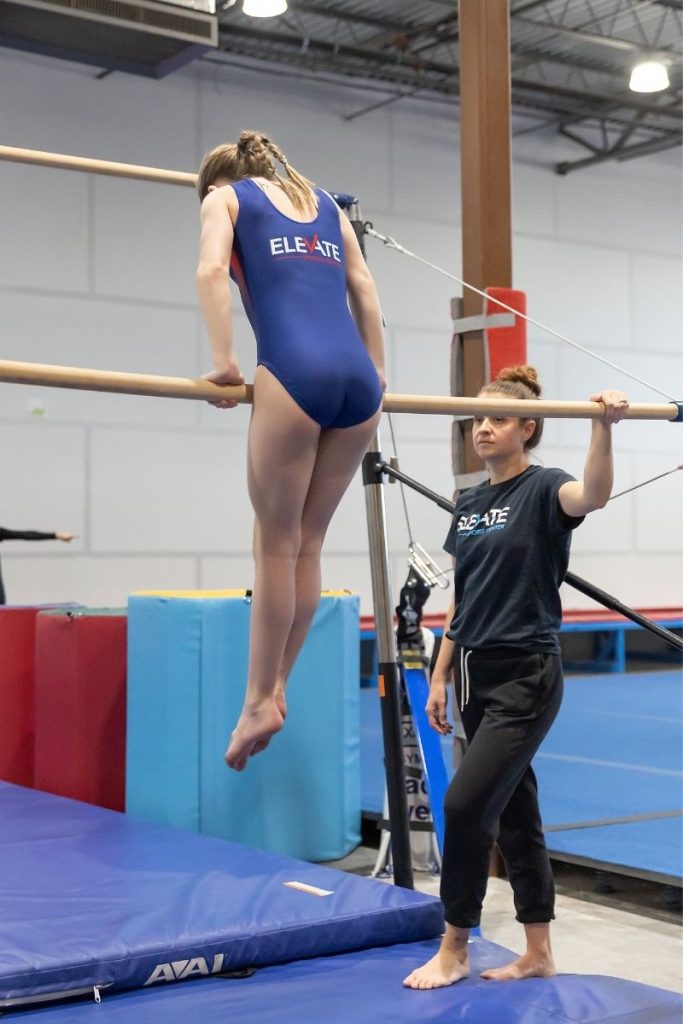
Motivation doesn’t usually come from mastering every skill right away. It comes from enjoying the process, feeling supported, and recognizing progress along the way.
Celebrate small accomplishments, whether that’s better form, trying a new skill, or overcoming a fear. Remind your child how far they’ve already come instead of focusing only on what’s next.
When children continue having fun and feel encouraged by the people around them, they’re much more likely to stay motivated through the natural ups and downs of learning.
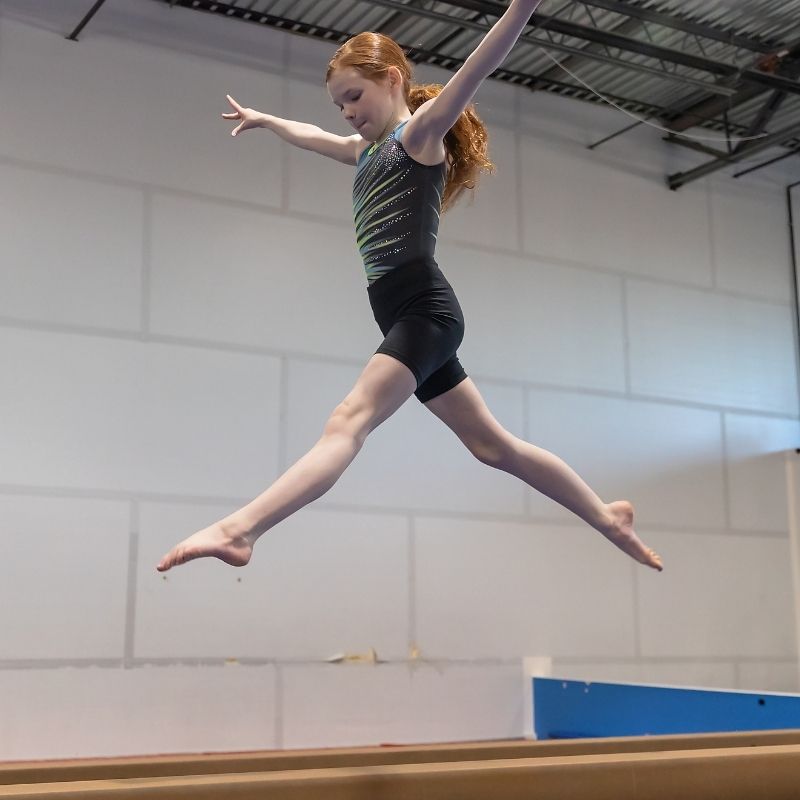
Many parents have experienced the moment when a child suddenly performs a skill they had been practicing for weeks or even months. While it may seem like the breakthrough happened overnight, it rarely does.
That success is usually the result of countless small improvements that happened behind the scenes. Practice, repetition, growing strength, better technique, increased confidence, and patience all come together until the skill finally clicks.
What looks like sudden progress is often the visible result of steady work over time.
Every child experiences moments when progress feels slow, and every learning journey includes challenges along the way. Feeling stuck doesn’t mean your child isn’t improving. Often, these quieter periods are when some of the most important growth is taking place.
As a parent, your encouragement can make a tremendous difference. Celebrate effort, recognize small victories, and trust the learning process. Combined with the guidance of caring coaches, that support helps children build resilience, confidence, and perseverance that extends far beyond the gym.
Every child learns differently, and every journey is unique. Some students move quickly through certain skills while taking more time with others, and that’s completely normal. What matters most is steady growth over time, not how quickly a particular milestone is reached.
Whether your child participates in recreational gymnastics, preschool gymnastics, NinjaZone, aerial silks, or another program at Elevate Sports Center, our coaches are committed to helping every student continue growing at their own pace. Sometimes the greatest progress happens during the moments when it feels like nothing is changing. With patience, practice, and encouragement, today’s plateau can become tomorrow’s breakthrough.
We offer one free trial class to all students who are interested in our programs. From NinjaZone to Tumbling, give one of our classes are shot. After all…. it’s FREE!